
Last Updated: October 30, 2025
Introduction
Many Canadians struggle with intense emotions, self-criticism, or relationships that feel hard to repair—challenges that impact mental health and daily life.
If that’s you, you’re not alone. Many people struggle quietly before reaching out. Dialectical behaviour therapy was developed to help people find steadier ground by balancing acceptance and change.
DBT therapy online can help people improve their lives by managing difficult emotions and building a life worth living. With secure telehealth, online dbt therapy now reaches clients virtually across Canada—from British Columbia to the Maritimes—so support can meet you at home.
What Dialectical Means (and Why It Matters)
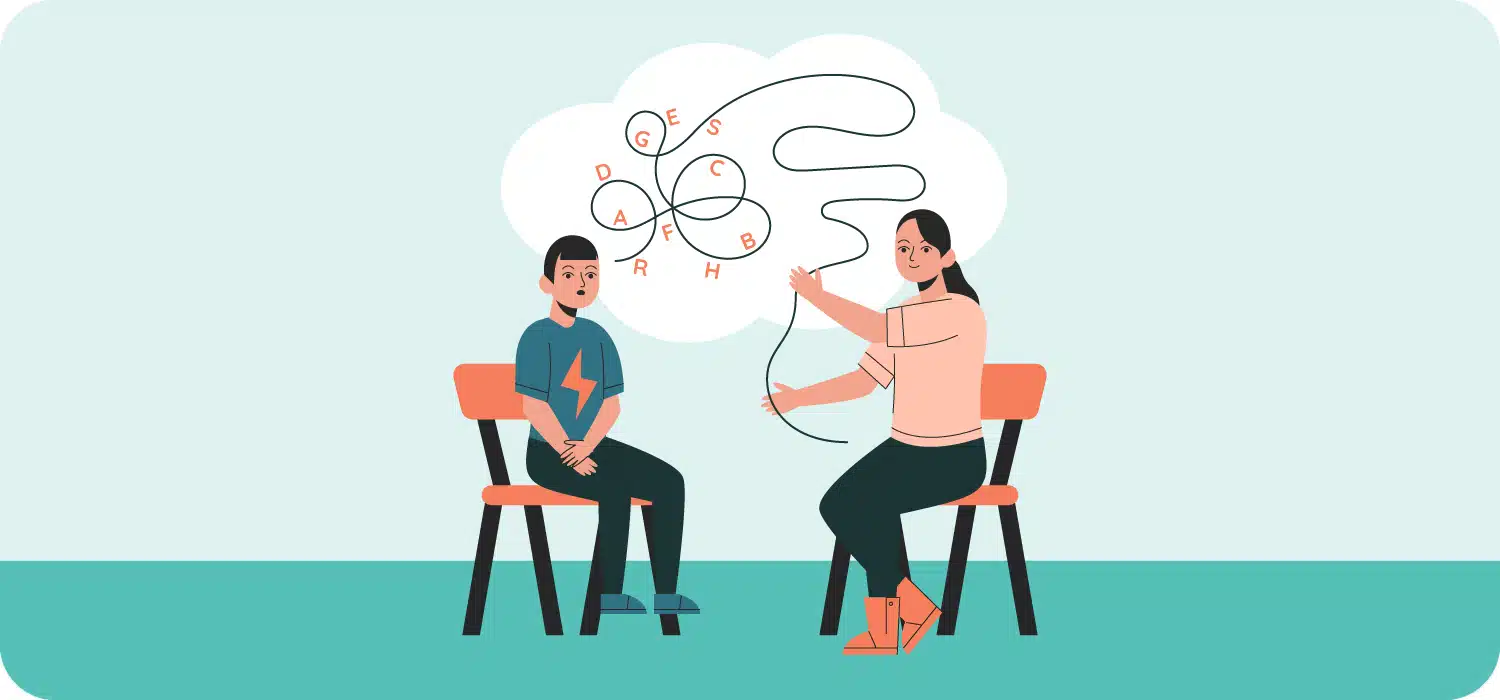
Dialectical means holding two truths at once: “I’m doing the best I can” and “I can keep learning.”
This is the heart of dialectical behaviour therapy dbt. In real-world care, dialectical behaviour therapy dbt is taught step by step so you can use it under stress. It blends validation with practical action so you can move toward a life worth living even when emotions surge.
“DBT, originally developed by Dr. Marsha Linehan, is an evidence-based form of cognitive-behavioural therapy that helps people manage intense emotions and build healthier relationships. It has been extensively researched and recognized by mental health organizations such as the Centre for Addiction and Mental Health (CAMH).”

How Dialectical Behaviour Therapy Works In Mental Health
Dialectical behaviour therapy dbt is an evolution of cognitive behavioural therapy for people experiencing intense emotions and impulsive urges.
Among the various therapies used for emotional regulation and mental health, DBT stands out for its focus on skill development and managing emotions, while cognitive behavioural therapy (CBT) emphasizes changing thought patterns.
In everyday practice, dialectical behaviour therapy combines four learnable skills modules: mindfulness, distress tolerance, emotion regulation, and relationship effectiveness. It is an evidence based treatment used with borderline personality disorder, post traumatic stress disorder, depression, and other disorders, including anxiety-related disorders.
“Research consistently shows DBT’s effectiveness in reducing self-harm, emotional distress, and symptoms of borderline personality disorder. Studies such as McMain et al. (2018) conducted in Canada found that DBT significantly improves emotion regulation and overall functioning.
The four DBT skills (simple, usable, compassionate)

1. Mindfulness
Mindfulness builds noticing muscles. You learn to observe thoughts, body sensations, and emotions without judgment, which increases self compassion and a sense of control.

2. Distress Tolerance
Distress tolerance gives you practical skills for riding out difficult emotions without self harm. Tools like paced breathing, grounding, temperature change, and sensory comfort help you cope during spikes of pain and difficult situations.

3. Emotion regulation
Emotion regulation (often called emotional regulation) teaches strategies to manage emotions by reducing vulnerability, tracking triggers, and increasing positive activities. Over time, people feel more steady and in control, and better able to manage emotions day to day.

4. Interpersonal Effectiveness
Interpersonal effectiveness helps you ask for what you need, say no, and protect your values while keeping respect for yourself and others. We’ll also teach interpersonal effectiveness skills you can try the same day. Through structured methods like DEAR MAN, GIVE, and FAST, many clients improve relationships and experience more fulfilling relationships.
Note: Aref Psychotherapy is offering a free DBT Therapy 15 minutes consultation
Is DBT right for me?
Dialectical behaviour therapy dbt is best known for borderline personality disorder, but it also helps with eating disorders, substance abuse and substance use, mood disorders, and trauma-related problems and other disorders.
If you live with intense emotions, suicidal thoughts, or suicidal behavior, or cycles of shame and anger, dbt skills can help you cope and choose safer paths. These dbt skills are concrete and coachable. Some people also come for specific goals such as anger management or rebuilding trust in relationships after conflict.

What happens in session
In individual therapy, you and your dbt therapist review diary cards, notice patterns, and choose skills to apply. Your therapist will teach a skill each week, assign exercises, and coach you to use it between visits.
Group skills classes are where you apply skills in community. The clinical setting models clarity, respect, and consistency so you can transfer that into everyday relationships and stronger interpersonal relationships across your work life and home life.

How DBT therapy works online in Canada
With secure video, programs provide DBT across provinces. DBT can be engaging online when sessions are clear and paced. DBT instructors keep materials simple. In British Columbia, Alberta, Ontario, and Nova Scotia, online options reduce travel barriers and expand choice for clients in both urban and rural areas.
A typical program includes weekly skills classes, weekly individual therapy, and between-session coaching as available. Some online DBT options are also offered as a structured course, with lessons, worksheets, and exercises to guide clients through DBT skills step by step.
If you have privacy, motivation, and internet, a therapist can provide DBT effectively from your home—even if you’re in rural Biritish Colombia, Saskatchewan or New Brunswick.

Overcoming challenges in DBT therapy
Facing challenges is a natural part of the journey in dialectical behaviour therapy, and overcoming them is at the heart of lasting change.
Many people starting DBT—especially those living with borderline personality disorder, post traumatic stress disorder, eating disorders, or substance abuse—find it difficult to accept and manage intense emotions.
It’s common to struggle with motivation, self-compassion, or the urge to avoid difficult emotions altogether. But these very challenges are what DBT is designed to address.

DBT skills training offers a practical roadmap for managing difficult emotions and building resilience. Mindfulness helps you notice your thoughts and feelings without judgment, laying the groundwork for self compassion and acceptance.
Distress tolerance skills provide concrete ways to cope with difficult situations, so you can ride out emotional storms without turning to self harm or other risky behaviours.
Emotional regulation skills teach you how to manage emotions like anger, shame, or sadness, making it easier to stay steady even when life feels overwhelming.
Interpersonal effectiveness skills are another cornerstone of DBT, helping you navigate relationships, set boundaries, and communicate your needs—all essential for building fulfilling relationships and a life worth living.
In individual therapy, your dbt therapist will help you practice these skills, set realistic goals, and celebrate progress, no matter how small. Skills training groups and between-session coaching offer additional support, making it easier to stay motivated and keep practicing in real life.
In a clinical setting, therapists, occupational therapists, and social workers work together to tailor DBT to each client’s unique needs. This team approach ensures that whether you’re struggling with borderline personality disorder, PTSD symptoms, or substance use, you’ll have the right support to manage challenges and make positive changes.
In British Columbia, Ontario, Alberta and across Canada, online DBT programs make it possible to access therapy and skills training from home, so support is always within reach.

The path through DBT isn’t always easy, but with patience, practice, and the right support, you can develop the skills to manage emotions, improve relationships, and move toward a life that feels worth living.
Every step you take—no matter how small—brings you closer to lasting change and greater emotional resilience.
The 24-hour rule in DBT therapy
Some programs use a “24-hour coaching rule,” which may limit non-emergency coaching for 24 hours after self harm or a suicide attempt. The intention is to avoid accidentally reinforcing dangerous behaviour and to refocus on coping skills and in-session planning.
Policies differ by therapist and program—ask your team how coaching works.

Is it possible to do DBT by yourself?
You can learn language, worksheets, and many dbt skills on your own, and practice skills between sessions or while waiting for care. Short videos and cue cards can keep dbt skills top of mind. However, a trained dbt therapist helps tailor strategies, track risks, and keep momentum—especially with borderline personality disorder, substance abuse, or PTSD symptoms.
For safety and results, many people pair self-study with individual therapy.

Who is DBT not recommended for?
DBT is adaptable, but if someone cannot engage in therapy tasks right now, has no motivation to practice, or needs a higher level of care (detox, inpatient), another starting point may be best. A therapist will help you choose a safe, effective path.

Why DBT is sometimes criticized
People sometimes find the structure demanding, the homework frequent, or the behavioural language too clinical. Others worry it can feel skills-heavy.
These challenges are real; pacing with your therapist, cultural responsiveness, and aligning skills with personal values usually help.
Remember, acceptance is paired with change throughout DBT. DBT remains practical, DBT remains teachable, and DBT remains adaptable.

Regional access: Access has grown across British Columbia—from Vancouver Island to the Interior—through hospital teams, private clinics, and telehealth programs that provide DBT. DBT options range from brief courses to full-year formats.
If you’re in British Columbia, Ontario, Alberta, Quebec, Manitoba, or anywhere across Canada, we can match you with a licensed clinician for individual therapy, skills training, or both—with a continued focus on mental health equity for urban, rural, and northern communities.

Safety first and always If you’re at risk of self harm or struggling with suicidal thoughts, your plan will include crisis resources, clear steps for difficult moments, and coaching designed to help you manage difficult emotions safely.
You deserve care that meets you with dignity and support.
We’ll help you cope in the moment and cope again the next day with simple, repeatable tools for mental health stabilization so you can manage difficult emotions safely. DBT coaching focuses on real-time choices.

“If you’re in crisis or thinking about suicide, you’re not alone. In Canada, you can call or text 9-8-8 for 24/7 mental health support in English or French. You can also visit the Government of Canada’s mental health resources page for more information.”
How to choose a DBT therapist (Canada checklist)
- Education aligned with dbt linehan board standards
- Experience with borderline personality disorder, eating disorders, substance abuse, or trauma
- Comfortable with telehealth across Canada — from British Columbia and Ontario to Alberta and remote communities.
- A collaborative style that feels respectful and culturally safe

DBT vs other approaches (quick compare)
Classic cognitive behavioural therapy focuses on thoughts, behaviours, and experiments. Dialectical behavior therapy adds a strong emphasis on acceptance and mindfulness while keeping change at the centre.
In some materials you’ll also see the phrase dialectical behavior therapy dbt used interchangeably.

Everyday application: bringing skills into real life The gains happen between sessions—when you start applying skills at work, in your family, and in friendships.
With repetition, your brain wires new skills so healthier choices feel more natural to use. Over time, people notice positive changes like steadier sleep, clearer boundaries, and more ease in relationships.

Coverage and cost in Ontario and beyond. Does OHIP cover DBT therapy?
Hospital-based psychiatric care is typically insured under provincial health plans—for example, OHIP in Ontario covers only hospital-based psychiatric services. Community therapy with a registered psychotherapist, psychologist, or social worker is usually paid privately or through extended health benefits. Coverage varies across provinces and insurance providers, so it’s best to check with your program, your province, or your insurer for details.
In British Columbia and other regions, some extended health plans may help offset the cost of virtual DBT therapy or other mental health services provided by licensed clinicians. While public insurance such as OHIP does not cover psychological or social work services outside hospitals, many private and employer-sponsored benefits include partial reimbursement for therapy. Understanding your coverage options can help you access care that fits your needs and budget.
How to become a DBT clinician in Canada. Do psychologists do DBT?
Many do. To become a provider, you’ll need a core professional credential (e.g., RP, RCC, MSW, or psychologist) plus formal training, supervised experience, and ongoing consultation to provide DBT with fidelity. Many professionals seek dbt linehan board–aligned training to deepen knowledge.

Getting started with Aref Psychotherapy
At Aref Psychotherapy we offer compassionate and effective Dialectical Behaviour Therapy (DBT) for adults who struggle with borderline personality disorder, PTSD and complex trauma, suicidal ideation, addiction, self-harm, intense emotions, and impulsive behaviours….
We provide DBT across Canada, including British Columbia, with compassionate support and clear, doable steps.
Free-fit chat
share goals, challenges, and hopes.
Assessment
define targets tied to your values.
Skills classes + individual therapy
learn, rehearse, and apply tools in real life.
Progress check
review diary cards, adjust strategies, and celebrate gains.
If you’re looking to start DBT therapy online in Canada, visit our DBT Therapy in Canada to learn more or book a session.”

Moving toward a life worth living No matter how long you’ve struggled, DBT offers teachable tools to manage emotions, repair relationships, and move toward a future that feels worth living.
When you’re ready, our team can provide DBT through secure telehealth so you can learn skills, build control, and keep going—one small step at a time.