
Managing Seasonal Depression: Understanding SAD and Its Impact on Mental Health
Seasonal depression is a condition that affects emotional well-being, energy levels, sleep, and motivation during specific times of the year. Clinically, this condition is known as seasonal affective disorder, a subtype of major depressive disorder that follows a predictable seasonal pattern. While many people casually describe feeling low during winter, seasonal affective disorder SAD is a medically recognized mood disorder that can significantly disrupt daily life, relationships, and work performance.
Seasonal affective disorder most commonly appears during the fall and winter months, when there is less sunlight, but it can also occur during warmer seasons. Understanding how SAD occurs, how it differs from normal mood changes, and how it affects mental health is essential for recognizing symptoms early and seeking appropriate care.
Is Seasonal Depression a Real Mental Health Condition?
Yes, seasonal depression is a real and diagnosable condition. The American Psychiatric Association formally recognizes seasonal affective disorder in the Diagnostic and Statistical Manual as a specifier of major depression. This means SAD is not a separate illness but a form of depression with recurring seasonal depressive episodes that occur at about the same times each year.
Unlike temporary emotional reactions to weather or holidays, seasonal affective disorder involves persistent depressive symptoms that last for weeks or months. These symptoms often interfere with daily functioning and typically require treatment from a healthcare provider or mental health professional.
Seasonal affective disorder is widely recognized as a common and recurring condition within clinical mental health settings. However, some research discussions have questioned aspects of its classification, particularly whether seasonal patterns represent a distinct disorder or a variation of existing depressive conditions. Despite these debates, seasonal affective disorder remains formally recognized by major psychiatric organizations and is routinely diagnosed and treated in clinical practice based on consistent symptom patterns and functional impact.
What Is Seasonal Affective Disorder (SAD)?
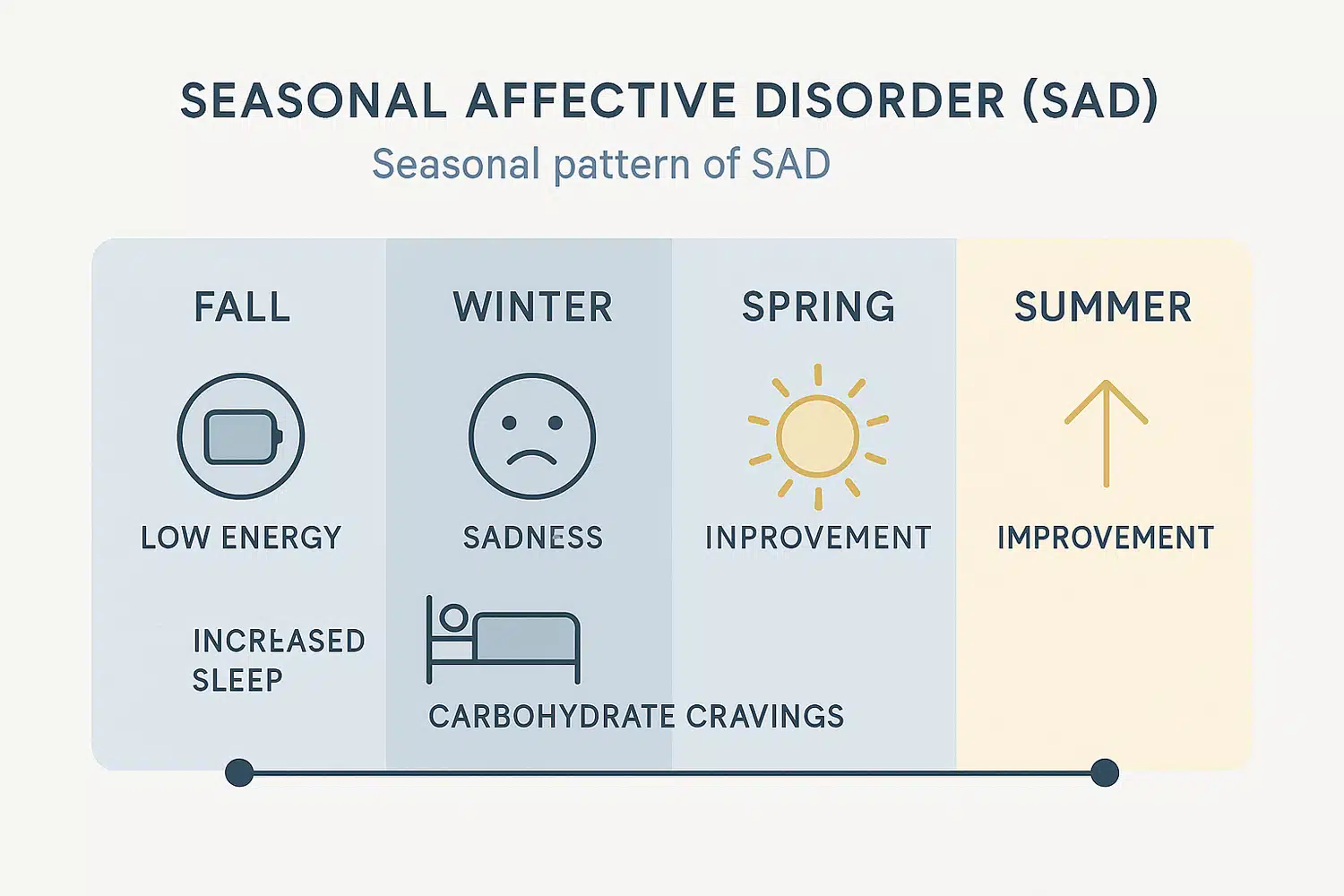
Seasonal affective disorder is a form of depression linked to changes in seasons. Most individuals experience winter onset SAD, often called winter depression, which begins in late fall or early winter and improves during spring. A smaller number of people experience called summer depression, where symptoms start in early summer and resolve as fall approaches.
SAD is defined by its seasonal pattern, meaning symptoms must occur during the same season for at least two consecutive years to be diagnosed. These patterns distinguish SAD from major depression or clinical depression, which may occur without seasonal triggers.
Seasonal Depression vs the Winter Blues
Many people confuse seasonal affective disorder with the winter blues, but the two are not the same. The winter blues describe mild mood changes, such as lower energy or motivation, that do not significantly impair daily functioning. Seasonal affective disorder, on the other hand, involves more intense sad symptoms that persist and worsen without treatment.
Individuals with SAD may struggle to get out of bed, experience difficulty concentrating, and withdraw socially. These symptoms go beyond normal seasonal fatigue and often resemble depressive episodes seen in other mental disorders.
Common SAD Symptoms to Watch For
Recognizing sad symptoms early can help prevent worsening mental health outcomes. Symptoms vary in severity but often include:
-
Persistent low mood or feeling hopeless
-
Loss of interest in activities once enjoyed
-
Trouble sleeping or oversleeping
-
Weight gain and increased appetite
-
Carbohydrate cravings, especially for sugary foods
-
Low energy and fatigue
-
Negative thoughts and reduced motivation
-
Social withdrawal from friends and family
Typical symptoms of winter-onset SAD include persistent sadness, low energy, increased carbohydrate cravings, and social withdrawal. In more severe cases, symptoms can escalate to include thoughts of death or suicide, which require immediate professional attention. These symptoms often intensify during the winter months and gradually improve as daylight increases.
Winter SAD Symptoms and Daily Life
Winter SAD symptoms often interfere with work, relationships, and self-care. People may feel emotionally numb, struggle with productivity, or experience overwhelming fatigue even after extended sleep. These symptoms are closely tied to less sunlight, which disrupts brain chemistry and the body’s internal clock.
Because SAD affects both emotional and physical functioning, many individuals initially dismiss symptoms as laziness or burnout, delaying diagnosis and treatment.
Summer Depression: When SAD Occurs Outside Winter
Although less common, summer depression is a recognized form of seasonal affective disorder. People who experience summer SAD may feel restless, anxious, or irritable during summer months. Unlike winter SAD, summer depression is often associated with insomnia, reduced appetite, and weight loss rather than weight gain.
This variation highlights that seasonal affective disorder does not look the same for everyone and reinforces the importance of individualized care.
When Does Seasonal Depression Usually Start?
For most individuals, seasonal depression begins in late fall or early winter, when daylight hours shorten significantly. Symptoms may appear gradually, starting with low energy or disrupted sleep patterns, before progressing into more severe depressive symptoms.
Those with summer SAD usually notice symptoms beginning in early summer, sometimes worsening during peak heat and long daylight exposure.
What Is the Toughest Month for SAD?
For people with winter SAD, January is often considered the most difficult month. This period combines the shortest days, prolonged cold, reduced outdoor activity, and ongoing exposure to less sunlight. During this time, depressive episodes may feel more intense, and mental health challenges may peak.
Causes, Risk Factors, and Diagnosis of Seasonal Affective Disorder
Why Seasonal Affective Disorder Occurs
Seasonal affective disorder does not have a single cause. Instead, it develops from a combination of biological, environmental, and psychological factors that interact with seasonal changes. For most people, the primary trigger is less sunlight, which disrupts brain chemistry and internal rhythms during specific times of the year.
These disruptions affect mood regulation, energy levels, sleep, and emotional resilience, increasing the likelihood of depressive episodes during vulnerable seasons.
Less Sunlight and Brain Chemistry
One of the strongest contributors to seasonal affective disorder is reduced exposure to natural daylight. During the fall and winter months, shorter days lead to less sunlight, which can lower serotonin activity in the brain. Serotonin plays a critical role in mood stability, motivation, and emotional balance.
When serotonin levels drop, individuals are more likely to experience sad symptoms, low mood, and emotional numbness. This biological shift helps explain why seasonal depression often feels uncontrollable without treatment.
Circadian Rhythm Disruption
Another key factor in seasonal affective disorder is disruption to the body’s circadian rhythm. This internal clock regulates sleep, wakefulness, hormone release, and energy levels. Reduced daylight can confuse this rhythm, leading to irregular sleep patterns, fatigue, and difficulty waking in the morning.
Circadian rhythm disruption also affects melatonin production. Excess melatonin during darker months can cause excessive sleepiness and low energy, both of which are common features of winter SAD.
Vitamin D Deficiency and Mood Changes
Vitamin D plays an important role in emotional regulation and overall mental well being. Because vitamin D is largely produced through sunlight exposure, levels often drop during the winter months. Vitamin D deficiency has been linked to increased depressive symptoms, especially in people who experience SAD.
Some individuals benefit from vitamin D supplements, particularly when blood tests confirm low levels. Adequate vitamin D may help support mood stability when combined with other treatments.
Seasonal Affective Disorder and Major Depression
Seasonal affective disorder is classified as a subtype of major depressive disorder, meaning it shares many symptoms with major depression and clinical depression. However, SAD is distinguished by its recurring seasonal pattern and predictable remission during other times of the year.
Because of this overlap, seasonal affective disorder is sometimes misdiagnosed or overlooked. Accurate diagnosis requires attention to timing, duration, and recurrence of depressive episodes.
Risk Factors for Developing SAD
Certain individuals are more likely to develop SAD than others. Identified risk factors include:
-
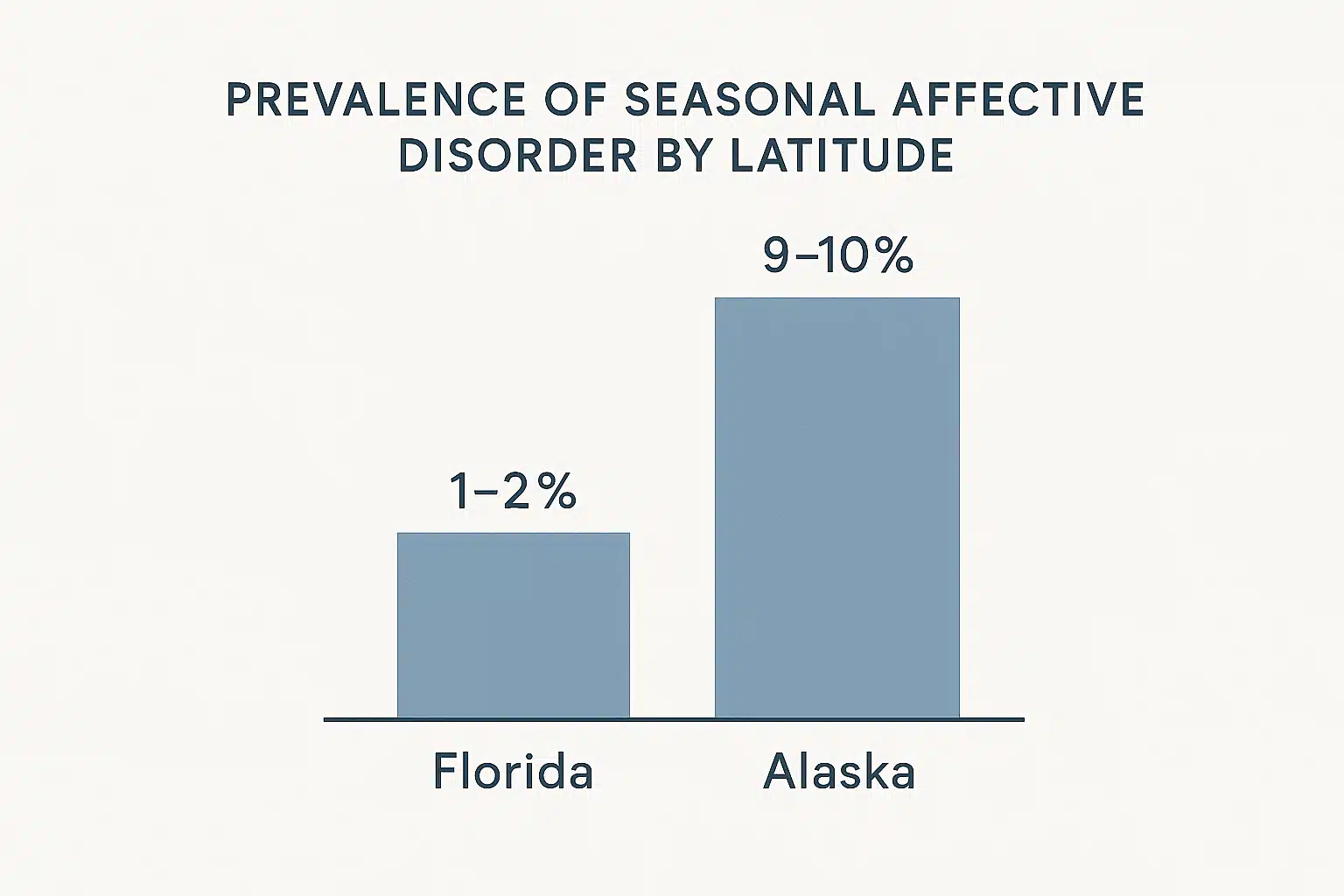
Living farther north, where winter daylight hours are significantly shorter, leading to reduced exposure to natural light and stronger seasonal patterns in mood
-
Prevalence rates increase at higher latitudes, with seasonal affective disorder affecting roughly 1.4% of people in southern states such as Florida, compared to close to 9.9% in northern regions like Alaska, where winter daylight is much more limited Being female
-
Seasonal affective disorder is diagnosed more frequently in women than in men, and it is more commonly identified in younger adults compared to older age groups
-
Being in young adulthood
-
Having a family history of depression or other mental illness
-
Existing mental health conditions, particularly mood-related disorders
Awareness of these risk factors allows earlier recognition and preventive treatment strategies.
Seasonal Affective Disorder and Bipolar Disorder
Seasonal affective disorder commonly overlaps with bipolar disorder, making careful diagnosis essential. People with bipolar disorder often experience mood shifts related to seasonal changes, including depressive episodes during winter and manic or hypomanic symptoms during warmer months.
Individuals with bipolar I disorder or bipolar II disorder may experience seasonal depression that closely resembles SAD. However, treating bipolar-related seasonal depression requires different strategies, as traditional antidepressants alone can trigger manic episodes.
Because of this complexity, individuals with bipolar disorder should always work closely with a mental health professional or specialized healthcare provider.
Seasonal Patterns in Bipolar Conditions
In bipolar conditions, depressive episodes may follow a seasonal pattern similar to SAD, particularly during winter months. Conversely, hypomanic symptoms may appear during spring and summer months. These cyclical shifts highlight how seasonal affective disorder SAD and bipolar disorder can overlap but are not identical conditions.
Understanding these distinctions helps ensure that SAD is treated safely and effectively without worsening other mood disorders.
How Seasonal Affective Disorder Is Diagnosed
Seasonal affective disorder is diagnosed through a comprehensive evaluation by a healthcare provider or mental health professional. Diagnosis is not based on a single test but rather on symptom history, timing, and impact on daily life.
To be sad diagnosed, individuals must experience depressive episodes during specific seasons for at least two consecutive years, with symptom remission outside those periods. This seasonal recurrence is a defining feature of the disorder.
Diagnostic Criteria and Clinical Evaluation
Clinicians often reference guidelines established by the American Psychiatric Association when diagnosing SAD. Evaluation may include:
-
Detailed symptom history
-
Review of seasonal pattern consistency
-
Screening for other mental disorders
-
Assessment of sleep, energy, and mood changes
In some cases, providers may also evaluate for substance abuse, thyroid conditions, or vitamin deficiencies that could mimic depressive symptoms.
The Role of Mental Health Services
Access to appropriate mental health services plays a critical role in managing seasonal affective disorder. Early diagnosis allows individuals to begin treatment before symptoms peak, reducing the severity and duration of depressive episodes.
Mental health services may include therapy, medication management, lifestyle guidance, and education about seasonal triggers.
Why Early Diagnosis Matters
Without treatment, seasonal affective disorder can worsen over time. Untreated SAD increases the risk of recurrent depressive episodes, impaired functioning, and in severe cases, suicidal thoughts. Early diagnosis helps individuals understand their symptoms, reduce self-blame, and access effective treatment options sooner.
Treatment, Prevention, and Long-Term Management of Seasonal Affective Disorder
How Seasonal Affective Disorder Is Treated
Seasonal affective disorder is highly treatable, and most people see meaningful improvement with the right combination of care. Treatment plans are individualized and often include a mix of light therapy, medication, psychotherapy, and lifestyle adjustments. The goal is not only to reduce symptoms but also to prevent future seasonal depressive episodes.
A healthcare provider or mental health professional can help determine which approach is most appropriate based on symptom severity, medical history, and whether other mental health conditions are present.
Light Therapy as a First-Line Treatment
Light therapy is one of the most widely recommended treatments for seasonal affective disorder, especially for winter onset SAD. This approach involves daily exposure to a light box that emits artificial bright light designed to mimic natural sunlight.
Most light boxes produce 10,000 lux of light and are used for 20 to 30 minutes each morning. Bright light therapy helps reset the body’s circadian rhythm, improves alertness, and supports serotonin regulation. Many individuals notice improvement within one to two weeks of consistent use.
Light therapy is generally safe, but it should be used under the guidance of a healthcare provider, particularly for individuals with eye conditions or bipolar disorder.

Medications for Treating SAD
In moderate to severe cases, antidepressant medications may be necessary to treat SAD. Selective serotonin reuptake inhibitors are commonly prescribed and have been shown to reduce depressive symptoms associated with seasonal affective disorder.
Some individuals begin medication in early winter as a preventive treatment, continuing through the winter months until symptoms naturally resolve. This strategy can be especially helpful for people with predictable seasonal patterns or a history of severe episodes.
Medication decisions should always be made with a healthcare provider, particularly for those who also experience major depression or bipolar conditions.
Talk Therapy and Cognitive Behavioral Therapy
Talk therapy plays an important role in treating seasonal affective disorder. Cognitive behavioral therapy (CBT), in particular, helps individuals recognize and challenge negative thoughts, develop coping strategies, and maintain emotional balance during difficult seasons.
Therapy also helps people prepare for seasonal transitions, making it easier to recognize early warning signs and take action before symptoms escalate. For many individuals, therapy remains beneficial even after symptoms improve.
Lifestyle Changes That Support Recovery
Lifestyle habits strongly influence how people experience SAD. Small, consistent changes can significantly improve mood and resilience during vulnerable seasons.
Helpful strategies include:
-
Regular exercise, especially outdoors during daylight
-
Maintaining consistent sleep patterns
-
Eating well balanced meals to stabilize energy levels
-
Staying socially connected to reduce isolation
These habits support both physical health and long-term mental health, especially during the winter months.
The Role of Vitamin D in Seasonal Depression
Low sunlight exposure increases the risk of vitamin D deficiency, which has been linked to depression and fatigue. Adequate vitamin D levels may support serotonin activity and emotional stability.
Some individuals benefit from vitamin D supplements, particularly those who live in northern regions or spend limited time outdoors. Vitamin D intake should be guided by a healthcare provider to ensure appropriate dosing.
Alternative and Complementary Treatments
Some individuals explore alternative treatments alongside conventional care. Practices such as mindfulness, yoga, or gentle movement can help reduce stress and support emotional regulation. While these approaches should not replace evidence-based treatment, they may complement medical and psychological care when used appropriately.
Preventing Seasonal Depression Before It Starts
Because seasonal affective disorder follows a predictable pattern, prevention is often possible. Many people begin treatment before symptoms fully develop, especially if they know SAD begins at the same time each year.
Preventive strategies may include:
-
Starting light therapy in late fall
-
Adjusting sleep routines early
-
Scheduling therapy sessions proactively
-
Monitoring mood changes closely
This proactive approach can reduce symptom intensity and shorten the duration of depressive episodes.
When to Seek Professional Help
It is important to seek help from a healthcare provider or mental health professional if symptoms interfere with daily life, worsen over time, or include suicidal thoughts. Seasonal affective disorder is not a weakness or personal failure—it is a treatable mental illness.
Accessing mental health services early leads to better outcomes and helps prevent long-term complications.
How to Handle Seasonal Depression Long-Term
Managing seasonal depression often requires ongoing self-awareness and care. Many people successfully treat SAD by combining light therapy, therapy, and healthy routines year after year. Over time, individuals become more skilled at recognizing early signs and responding effectively.
With the right support, seasonal affective disorder does not have to control your life.
Final Thoughts on Seasonal Affective Disorder
Seasonal affective disorder is a common but often misunderstood condition. Whether symptoms appear in winter or summer, SAD affects real people and real lives. Fortunately, effective treatments exist, and recovery is possible.
If you feel sad, disconnected, or overwhelmed during certain seasons, reaching out to a healthcare provider can be a powerful first step. With proper care, individuals can protect their mental well being, navigate seasonal changes confidently, and enjoy a more balanced life year-round.
Online Therapy and Support Through AREF Psychotherapy
Living with seasonal affective disorder can feel isolating, especially when symptoms return year after year. Access to consistent, professional support plays a critical role in long-term recovery and emotional stability. AREF Psychotherapy provides accessible online mental health services designed to support individuals experiencing seasonal depression, SAD, and related mental health conditions.
AREF offers therapy with licensed mental health professionals who understand how seasonal patterns affect mood, energy, and daily functioning. Through secure online sessions, clients can receive evidence-based care such as talk therapy, cognitive behavioral therapy, and ongoing emotional support from the comfort of their home—an important advantage during the winter months when motivation and mobility may be lower.
Online therapy through AREF allows individuals to begin treatment early, monitor symptoms over time, and develop personalized coping strategies to manage depressive episodes linked to seasonal changes. For those experiencing recurring seasonal affective disorder SAD, early intervention and consistent support can help reduce symptom severity, prevent relapse, and improve overall mental well being.
If you or someone you love struggles to cope with seasonal depression, connecting with a trusted healthcare provider or mental health professional through AREF can be an important step toward feeling supported, understood, and empowered throughout every season.
- Resources:
- https://my.clevelandclinic.org/health/diseases/9293-seasonal-depression
- https://www.nimh.nih.gov/health/publications/seasonal-affective-disorder
- https://www.psychiatry.org/patients-families/seasonal-affective-disorder
- https://health.ucdavis.edu/blog/cultivating-health/seasonal-affective-disorder-winter-blues-and-self-care-tips-to-get-ahead-of-symptoms/2023/11
- https://www.camh.ca/en/health-info/mental-illness-and-addiction-index/seasonal-affective-disorder
- https://cpa.ca/psychology-works-fact-sheet-seasonal-affective-disorder-depression-with-seasonal-pattern/
- https://bc.cmha.ca/documents/seasonal-affective-disorder-2/