
Introduction to Panic Attacks
A panic attack can be one of the most frightening experiences a person can go through. Many people describe a panic attack as a sudden surge of panic, fear, and overwhelming discomfort that appears without warning and feels completely out of control. During a unexpected panic attack, your body reacts as if it is facing a serious threat, even when you are physically safe.
A panic attack often includes intense physical symptoms, emotional distress, and a strong sense that something terrible is about to happen. The fear can be so powerful that people believe they are having a heart attack, losing control, or facing a life threatening emergency. Even though panic attacks are not dangerous, the experience feels very real in the moment.
For some people, a panic attack happens once or twice during periods of high stress. For others, panic attacks may occur more frequently. Panic attacks are common, with research suggesting that up to 11% of people in the United States experience a panic attack each year. Repeated panic attacks can lead to constant worry about future attacks, avoidance of certain situations, and long-term anxiety disorders. When panic attacks become frequent and persistent, a person may develop panic disorder, a recognized mental health condition.
Understanding panic attacks is an important step toward improving mental health, reducing fear, and learning how to respond with compassion and effective coping strategies.
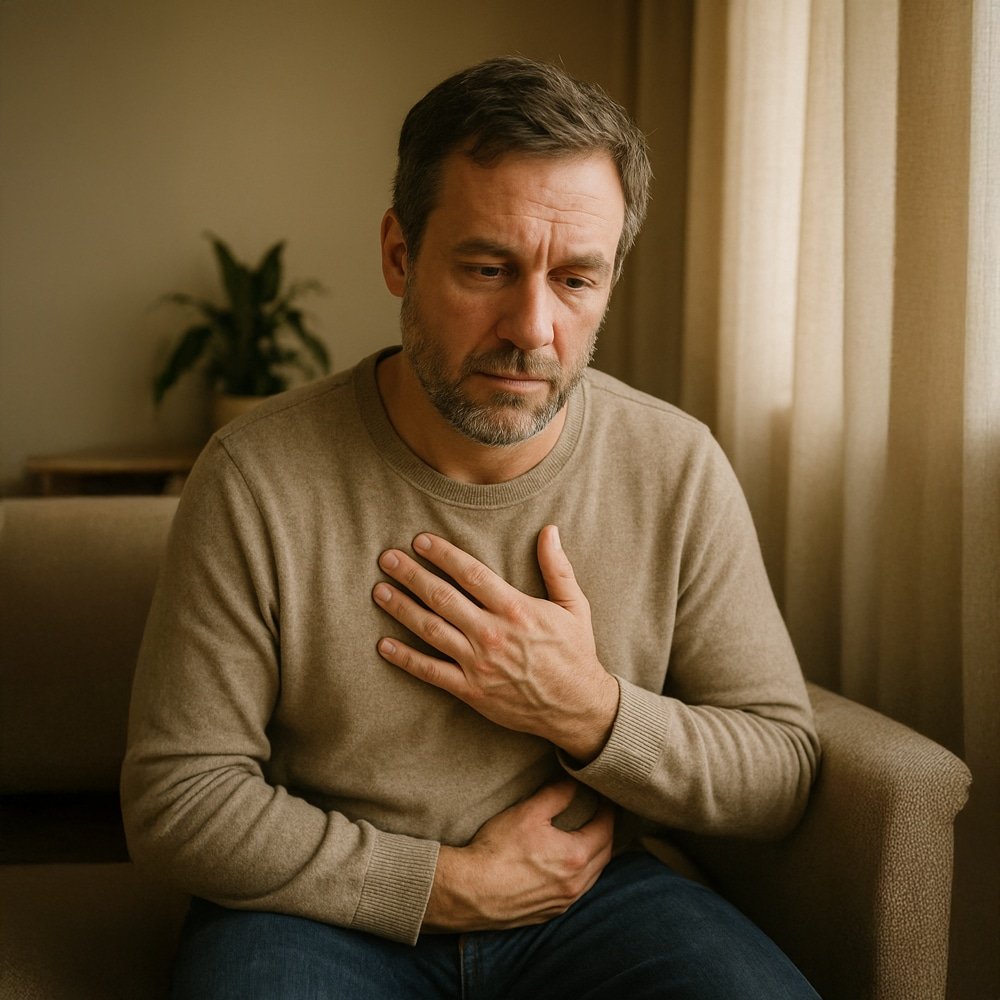
What Is a Panic Attack and How It Affects Mental Health
A panic attack is a sudden episode of intense panic, fear, or discomfort that often reaches its peak within a few minutes, but symptoms can last longer — sometimes up to an hour or more — before fully settling.
During a panic attack, your nervous system sends signals that trigger powerful physical responses. Your heart may race, breathing may become shallow, and your body may tense up. These reactions are automatic and not something you choose or control.
Panic attacks can be:
- Unexpected panic attacks, which occur without an obvious trigger
- Triggered by specific situations, sensations, or anxious thoughts
Experiencing a panic attack does not mean something is wrong with you. It is your body reacting strongly to fear. However, when panic attacks happen repeatedly and cause ongoing anxiety, a panic disorder diagnosed by a healthcare professional may be considered.
Panic attacks can occur at any time, and for some people, they may even happen during sleep. Waking suddenly with panic symptoms such as a racing heartbeat, shortness of breath, or intense fear can be deeply unsettling. These nighttime panic attacks are still panic attacks, and they do not mean something dangerous is happening to the body.
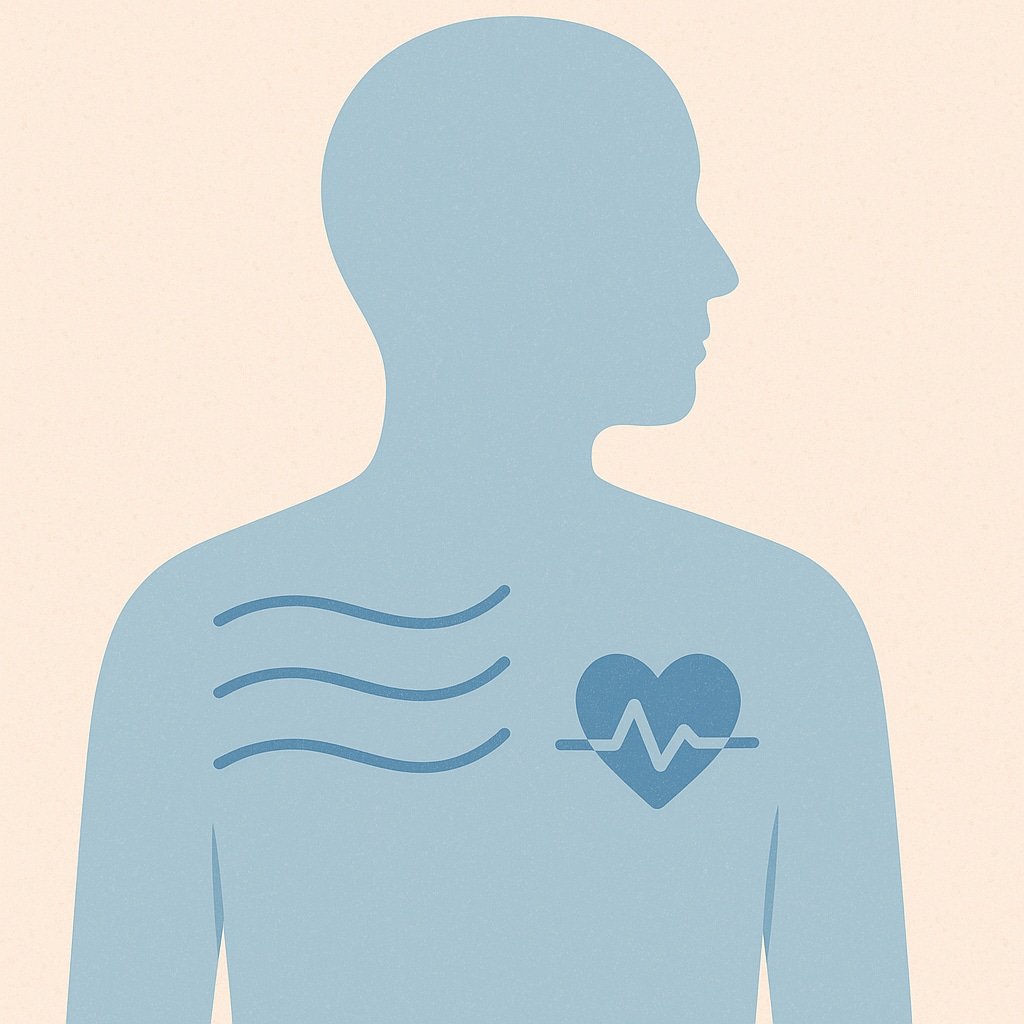
What a Panic Attack Feels Like: Physical Symptoms, Fear, and Mental Health Impact
Panic Attack Symptoms, Distressing Thoughts, and Physical Sensations
Many people ask, “What does a panic attack feel like?” The answer varies, but most panic attacks include a combination of intense fear, physical sensations, and emotional symptoms.
A panic attack may feel like:
-
A sudden rush of intense fear
-
A racing heartbeat or pounding chest
-
Shortness of breath or feeling unable to breathe
-
Tightness or chest pain
-
Dizziness, lightheadedness, or feeling faint
-
Sweating, trembling, or shaking
-
A feeling of impending doom
-
Fear of dying or having a heart attack
-
A sense of losing control
These panic symptoms can come on quickly and feel unbearable. Even though panic attacks are not dangerous, the fear they create can lead to emotional distress and avoidance of everyday situations.
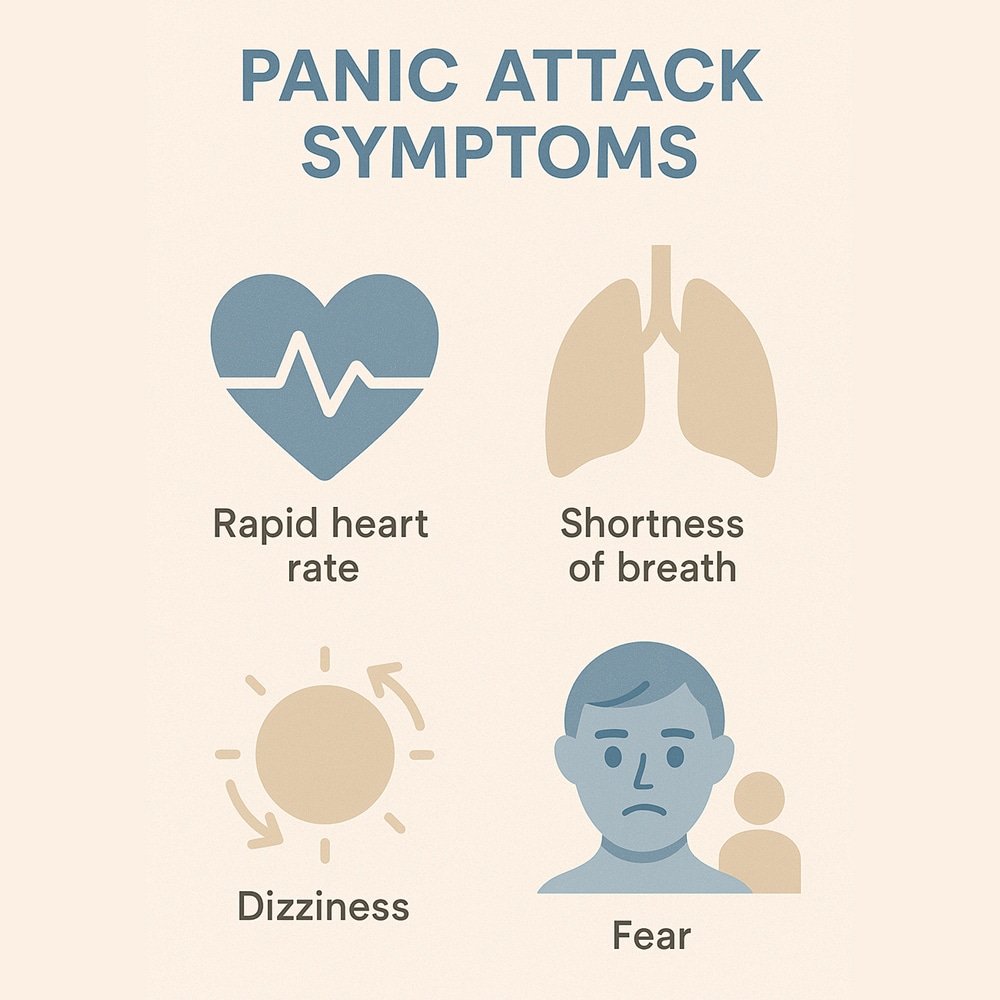
Panic Attack Symptoms, Distressing Thoughts, and Physical Reactions
Recognizing the symptoms of a panic attack can help you respond more calmly and seek appropriate support. Panic attacks often involve both physical and emotional symptoms.
Physical Symptoms of a Panic Attack
Common physical symptoms include:
-
Racing heartbeat or heart palpitations
-
Shortness of breath or rapid breathing
-
Chest pain or pressure
-
Sweating or chills
-
Nausea or stomach discomfort
-
Dizziness or lightheadedness
These physical sensations can be alarming and often lead people to fear a medical emergency, such as a heart attack.
Emotional Symptoms of a Panic Attack
Emotional symptoms may include:
-
Overwhelming fear or terror
-
Fear of losing control
-
Fear that the situation is life threatening
-
Feeling detached from reality
-
Strong anxious thoughts or distressing thoughts
Together, these symptoms can make panic attacks feel unpredictable and deeply unsettling.
Panic Attack vs. Heart Attack: Understanding the Difference
One of the most common fears during a panic attack is believing it is a heart attack. Both experiences can include chest pain, shortness of breath, sweating, and fear.
Key differences include:
-
Panic attacks often peak quickly and fade within minutes
-
Heart attacks usually involve ongoing pain and physical strain
-
Panic attacks are linked to anxiety and fear rather than blocked blood flow
That said, new or unusual chest pain should always be evaluated by a primary care provider or healthcare professional. Ruling out medical causes is an important part of protecting your mental health and physical safety.
Because panic attack symptoms can closely resemble those of a heart attack, seeking professional help is strongly recommended when symptoms are persistent, severe, or recurring. A healthcare professional or primary care provider can rule out medical causes, provide reassurance, and guide appropriate care. Getting clarity not only protects physical health but also supports long-term mental health and peace of mind.
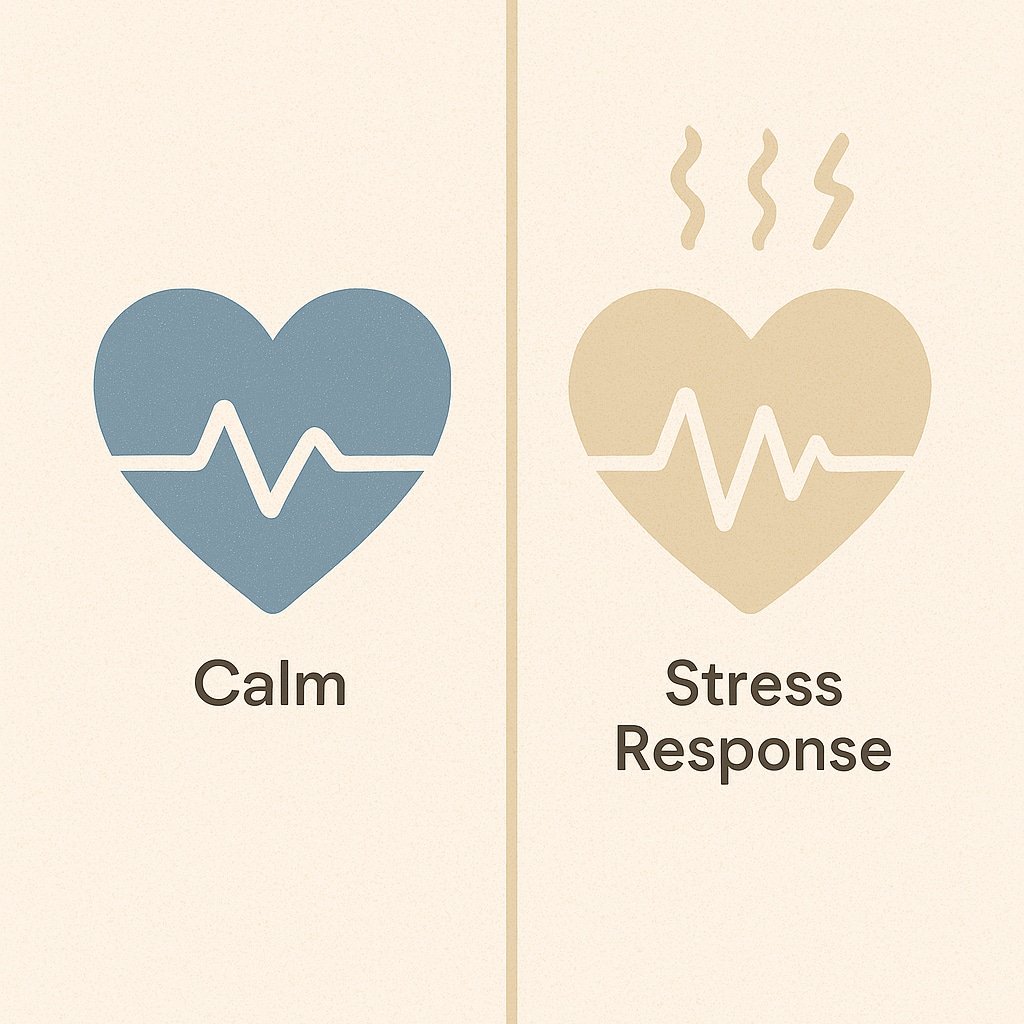
Understanding Panic Disorder
Panic disorder is a mental health condition characterized by recurrent panic attacks and persistent fear of having more panic attacks. People with panic disorder often worry about when the next panic attack will occur and may avoid situations they associate with panic.
Unlike a single panic attack, panic disorder involves:
-
Ongoing anxiety between attacks
-
Fear of future attacks
-
Behavioral changes that limit daily life
Not everyone who experiences panic will develop panic disorder. However, when panic attacks become frequent and distressing, professional support is important. Panic disorder treated early can significantly improve quality of life.
There is no single cause of panic disorder. Instead, several risk factors may contribute to its development, and research suggests that women are more likely than men to develop panic disorder.
Common risk factors include:
-
Family history of panic disorder or anxiety
-
Chronic stress or major life changes
-
Trauma or ongoing emotional strain
-
Certain mental health conditions
-
Sensitivity to bodily sensations
Research suggests that panic disorder often begins in early adulthood, though it can appear at any age. High stress levels and unmanaged anxiety can increase vulnerability to panic attacks over time.

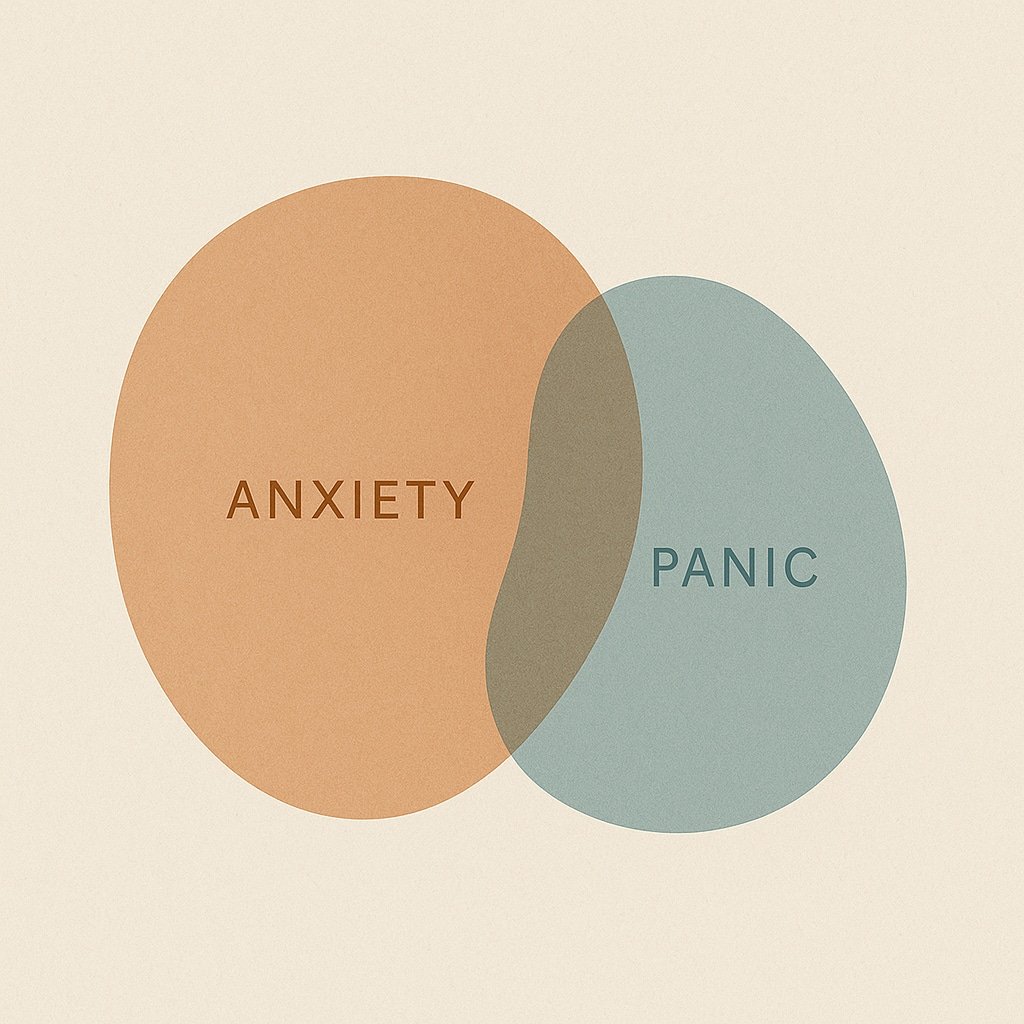
Anxiety or Panic: How They Are Connected
Panic attacks and anxiety are closely linked. Ongoing anxiety can increase physical tension, heighten fear responses, and make panic attacks more likely. Over time, fear of panic itself can lead to anxiety and panic becoming a cycle.
This cycle may include:
-
Fear of physical sensations
-
Increased monitoring of the body
-
Catastrophic or negative thoughts
-
Heightened stress and panic
Learning how to manage anxiety is an important part of reducing panic attacks and supporting long-term mental health.
Managing Panic Attacks in the Moment
Managing panic attacks often involves a combination of simple, effective strategies that help calm the body and mind. These may include deep breathing, using grounding techniques, acknowledging the panic attack rather than fighting it, and making supportive lifestyle changes over time. While panic can feel overwhelming, these approaches help reduce fear, regulate physical responses, and restore a sense of control. When panic rises, your body is reacting to fear — not real harm. Learning how to respond gently and intentionally can reduce the intensity of panic symptoms over time.
When a panic attack begins, many people try to fight it. Unfortunately, resisting panic often increases fear. Instead, acknowledging the panic attack and reminding yourself that these feelings will pass and cause no physical harm can reduce fear. Allowing the sensations to exist while focusing on calming strategies often helps shorten the episode and ease emotional distress.
The goal is not to eliminate panic instantly, but to guide your nervous system back to safety.
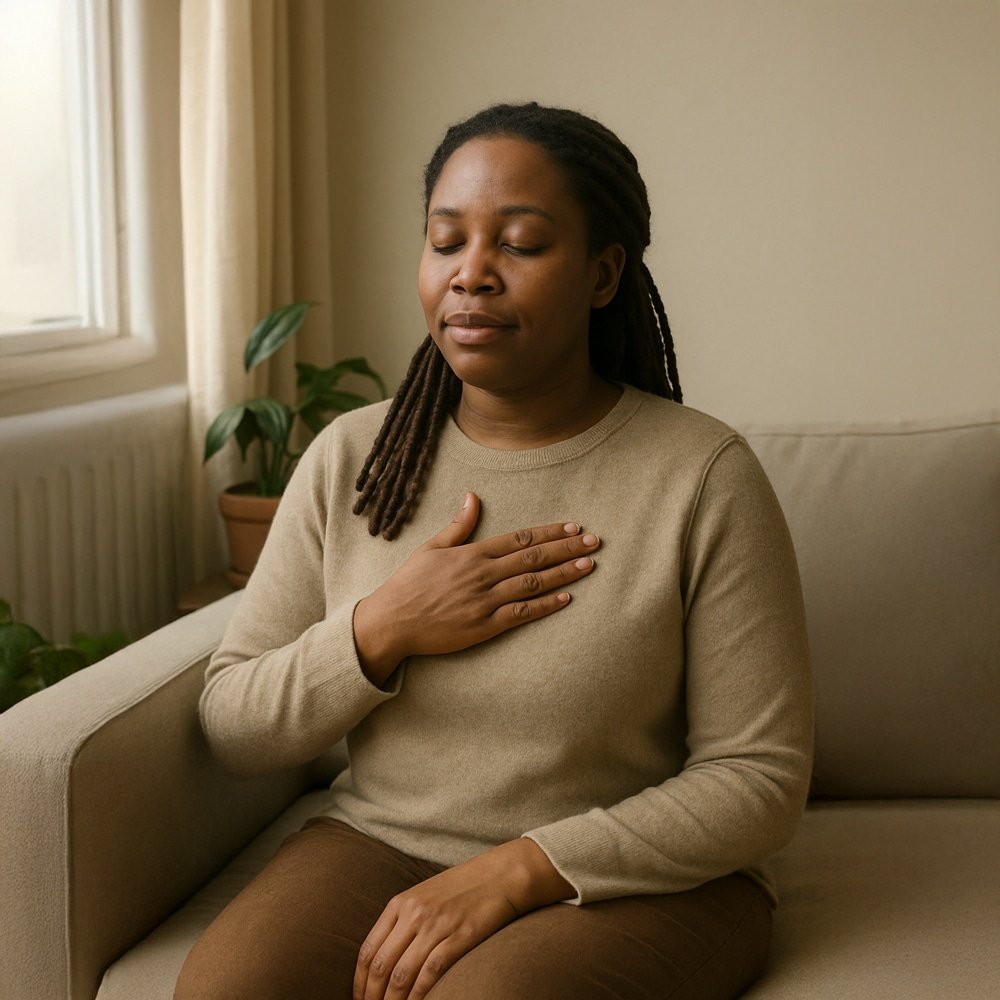
How to Calm Down a Panic Attack
People often ask, “How do you calm a panic attack fast?” While there is no instant cure, these strategies can help regulate panic more quickly.
Practice Deep Breathing
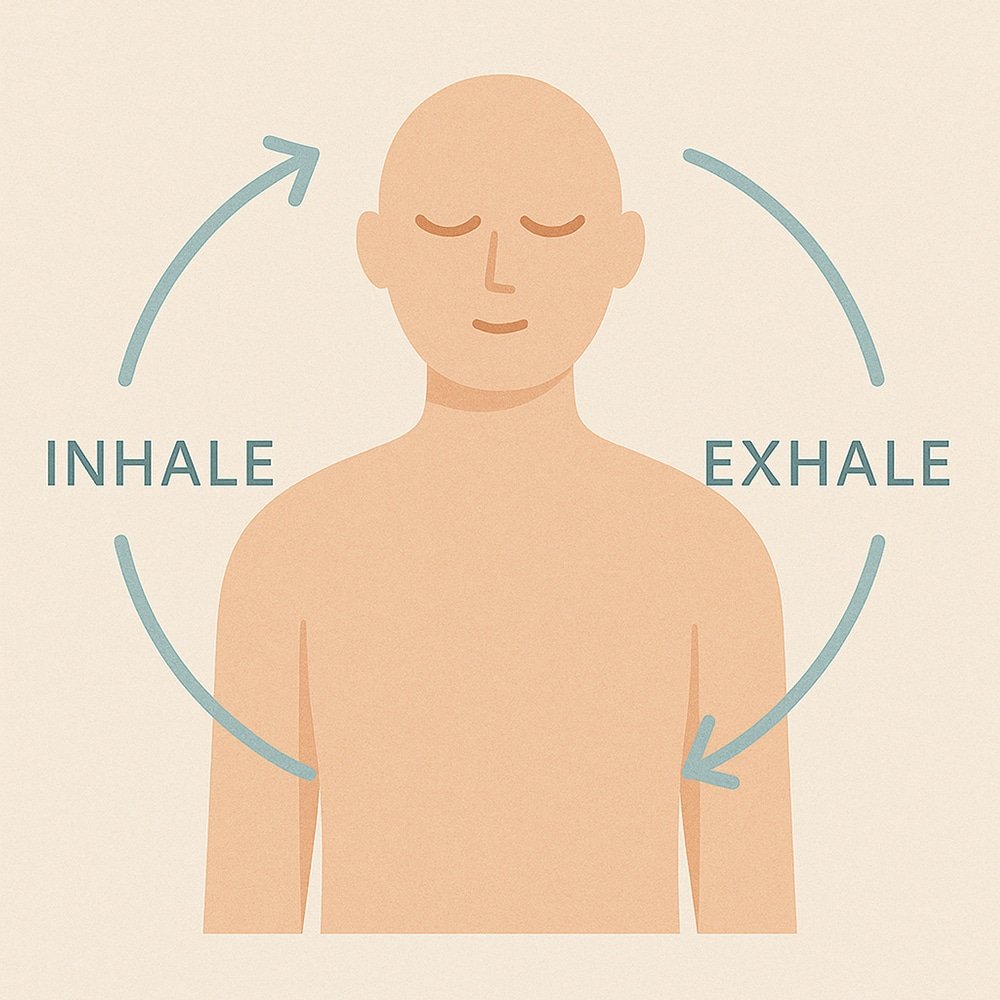
Deep breathing sends a signal to your brain that you are safe. Try to practice deep breathing by inhaling slowly through your nose for four seconds, holding briefly, and exhaling through your mouth for six seconds.
Taking slow deep breaths helps reduce panic symptoms, lower heart rate, and ease physical sensations. Breathing slowly can prevent panic from escalating.
Focus on the Present Moment
Panic pulls your attention into fear and future worry. Grounding yourself in the present moment can interrupt that cycle. Remind yourself where you are, what day it is, and that the panic will pass.
Staying connected to the present reduces fear of future attacks and helps calm anxiety and panic.
Grounding Techniques That Work for Panic Attacks
Grounding techniques are some of the most effective tools for panic attacks. These strategies anchor your attention to the present and away from catastrophic thoughts.
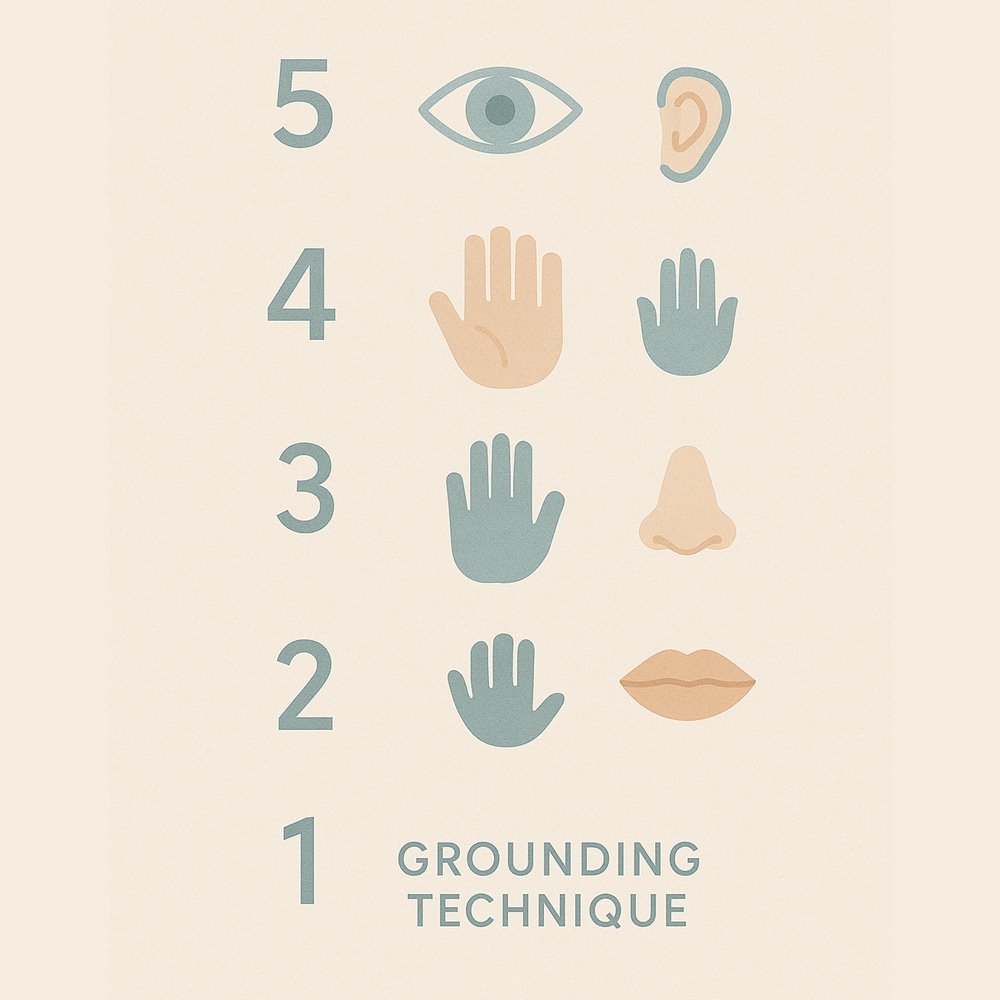
5-4-3-2-1 Grounding Technique
The 5 4 3 2 1 grounding method uses the five senses to reduce panic:
-
5 things you can see
-
4 things you can feel
-
3 things you can hear
-
2 things you can smell
-
1 thing you can taste
This technique works because it redirects attention from panic to immediate sensory input.
Physical Grounding Tools (Memory Game)
Holding a smooth stone, splashing cool water on your face, or playing a simple memory game can quickly ground your body and mind.
Regular use of grounding techniques can help reduce anxiety, manage panic symptoms, and build confidence in handling panic attacks.
Physical Grounding Tools (Memory Game)
Holding a smooth stone, splashing cool water on your face, or playing a simple memory game can quickly ground your body and mind.
Regular use of grounding techniques can help reduce anxiety, manage panic symptoms, and build confidence in handling panic attacks.

The 3-3-3 Rule for Panic Attacks
The 3-3-3 rule for panic attacks is another simple grounding strategy:
- Name 3 things you see
- Identify 3 sounds you hear
- Move 3 parts of your body
This method brings awareness back to your surroundings and body, helping interrupt anxious thoughts and fear.
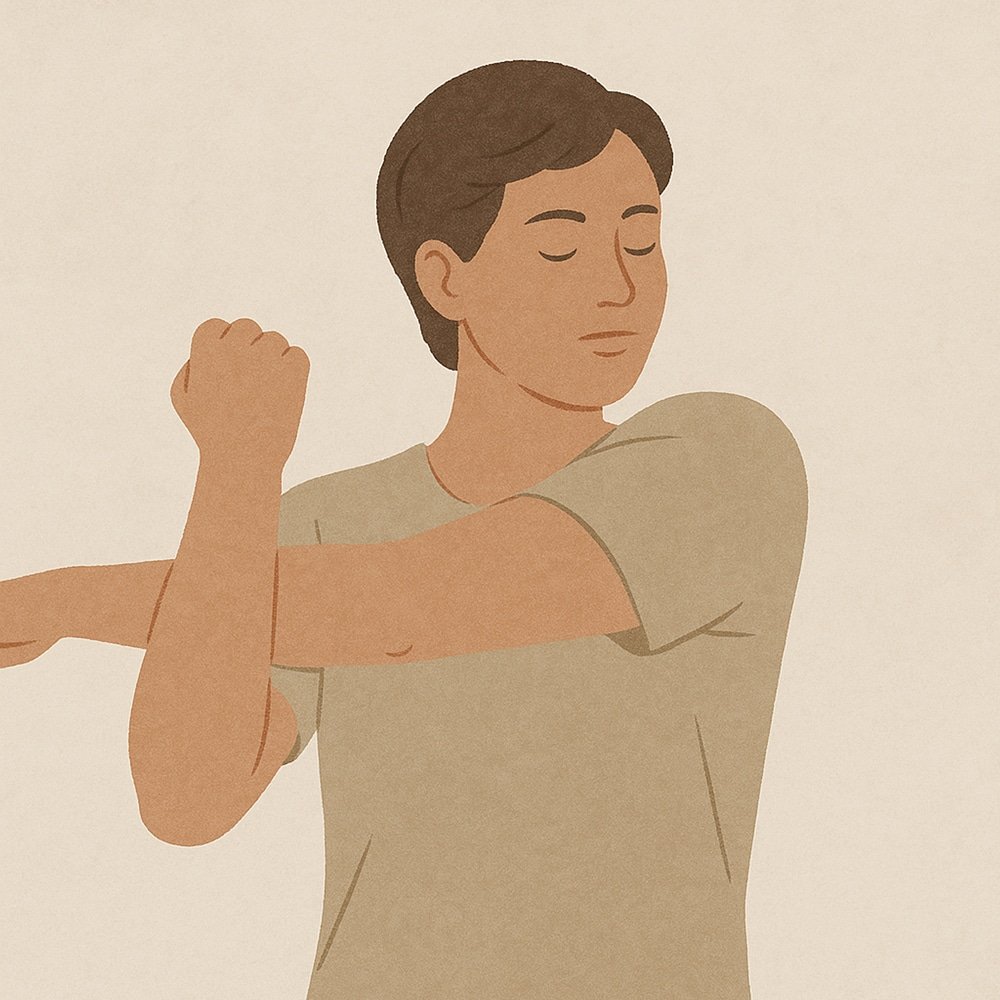
Muscle Relaxation to Reduce Panic
Progressive muscle relaxation involves tensing and releasing different muscle groups to calm physical tension. Starting from your feet and moving upward through major muscle groups can help reduce tension and ease panic symptoms.
This technique supports relaxation and helps regulate physical sensations during a panic attack.
What Not to Do When Someone Is Having a Panic Attack
Knowing what not to do is just as important as knowing how to help.
Avoid:
-
Telling them to “calm down”
-
Dismissing their fear
-
Overloading them with questions
-
Rushing them to stop the panic
Instead, stay calm, speak gently, encourage slow breathing, and remind them the panic will pass.
Can You Prevent Panic Attacks?
While panic attacks cannot always be prevented, it is possible to prevent panic attacks from becoming more frequent or severe.
Helpful strategies include:
-
Learning early warning signs
-
Practicing grounding techniques regularly
-
Managing daily stress
-
Addressing underlying anxiety disorders
Building coping skills reduces fear of panic and lowers the risk of more panic attacks over time.

Treatment Options for Panic Disorder
Therapy for Panic Disorder
Talk therapy, especially cognitive-behavioral therapy (CBT), is one of the most effective treatments for panic disorder. CBT helps identify negative thoughts, challenge fear-based beliefs, and reduce avoidance.
Exposure therapy is another evidence-based approach that gently exposes individuals to feared sensations, helping the brain relearn safety.
A licensed therapist or mental health professional can develop a personalized treatment plan based on your needs.
Medication Management
In some cases, medication management may be recommended alongside therapy. A healthcare professional can determine whether medication is appropriate and monitor progress.
Lifestyle Changes That Support Panic Recovery
Healthy habits can reduce anxiety and support long-term recovery:
-
Regular exercise to release stress
-
Eating a healthy diet
-
Prioritizing sleep
-
Limiting caffeine and alcohol
-
Practicing self care
These changes help reduce anxiety, support emotional balance, and improve mental health.
Online Therapy and Access to Support
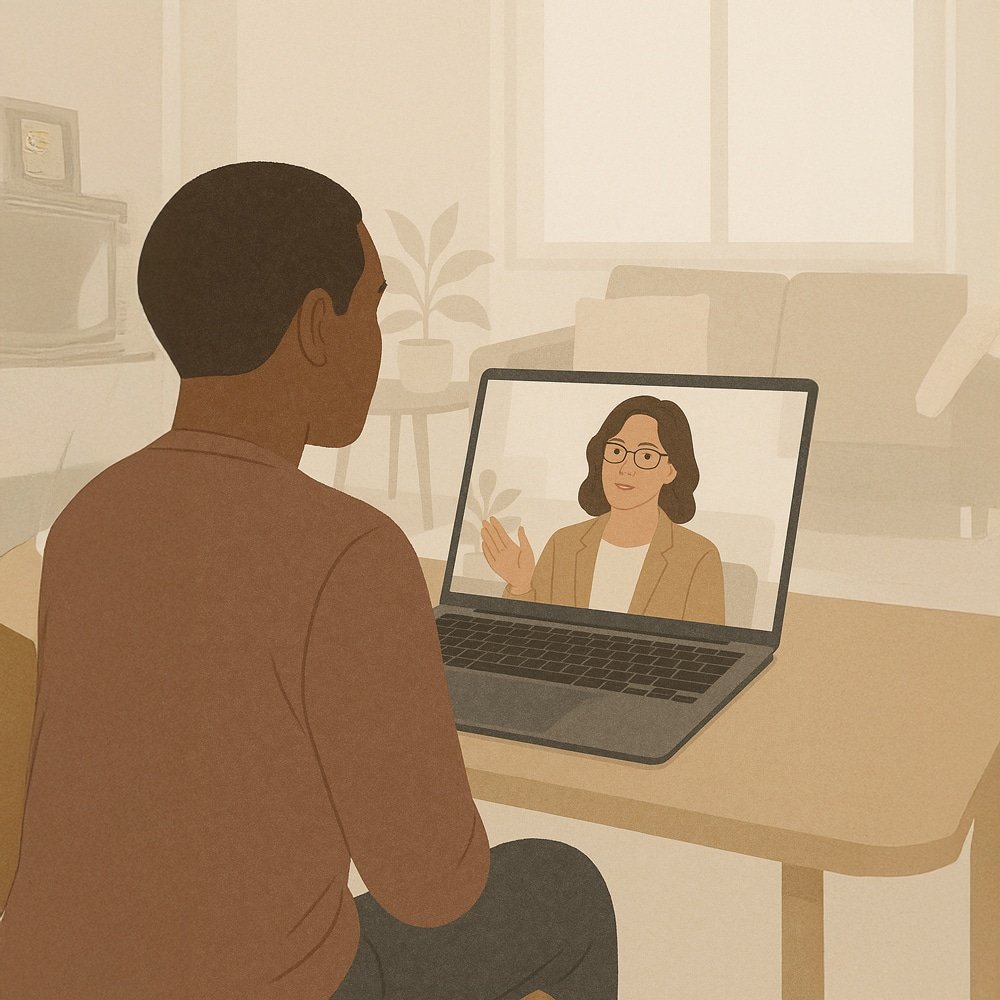
Many people now access therapy through an online service designed to reduce barriers to mental health care. For individuals experiencing panic attacks or panic disorder, virtual therapy can offer flexible, consistent support without the stress of travel or long wait times.
AREF Psychotherapy provides Canada-wide online therapy with licensed mental health professionals who support individuals dealing with panic attacks, anxiety, and related mental health challenges. Through a secure and confidential online service created for accessibility, clients can receive evidence-based care from the comfort of their own space.
Online therapy can be especially helpful for those managing panic disorder, as it allows ongoing support, skills development, and treatment planning while fitting into everyday life.
Living With Panic: Hope and Healing
Living with panic can be exhausting, but recovery is possible. Not everyone who experiences panic will develop panic disorder, and even when panic disorder is present, it can be effectively treated.
With the right tools, support, and compassion, panic attacks can become less frequent, less intense, and less frightening. If panic or anxiety is affecting your daily life, reaching out to a trusted healthcare professional is a powerful step toward healing.
You deserve support, understanding, and a path forward — even when panic feels overwhelming.